Once a deep-cover North Korean spy disguised as Lebanese national 'Muhammad Kansu,' Jeong ultimately found redemption in South Korea as a leading expert on the Silk Road
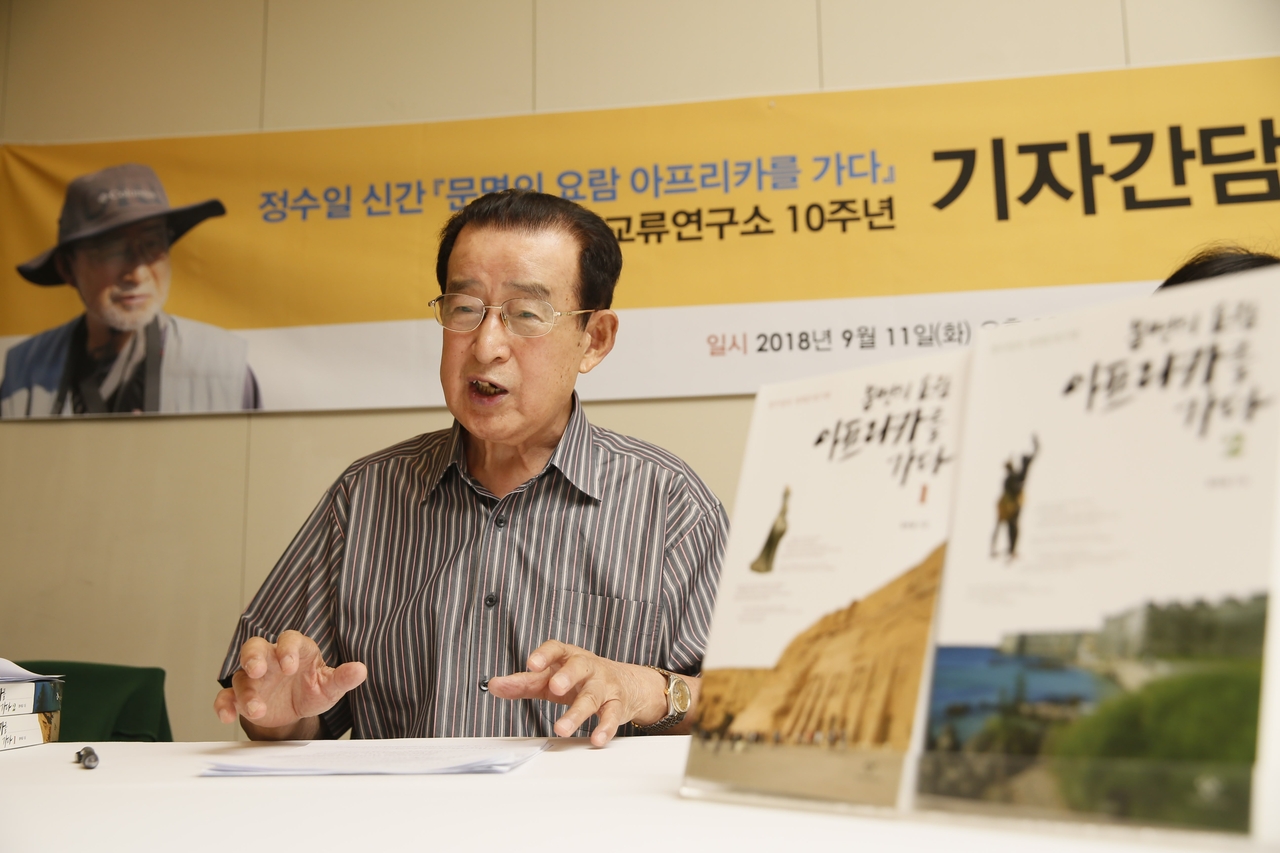
Jeong Su-il, a former North Korean spy who later became a leading expert on the Silk Road in South Korea, has died at the age of 90. Once known as Lebanese national "Muhammad Kansu," the alias he used to operate covertly in South Korea, Jeong’s life spanned espionage, imprisonment and eventual redemption as a scholar of global civilizational exchange.
The Korea Institute of Civilizational Exchange, where Jeong served as director, confirmed that he passed away on Tuesday, after a prolonged illness. His death marks the end of one of the most extraordinary personal journeys in modern Korean history — one that began in Cold War intrigue and ended in academic acclaim.
From spy to scholar: a life of reinvention
Jeong’s story is one of dramatic transformation. Born in 1934 in Longjing, China, to an ethnic Korean family, he was a gifted linguist who studied Arabic in China and Egypt. After working as a diplomat for China, he moved to North Korea in 1963, where he became an elite academic, teaching Arabic and serving as Kim Il-sung’s interpreter.
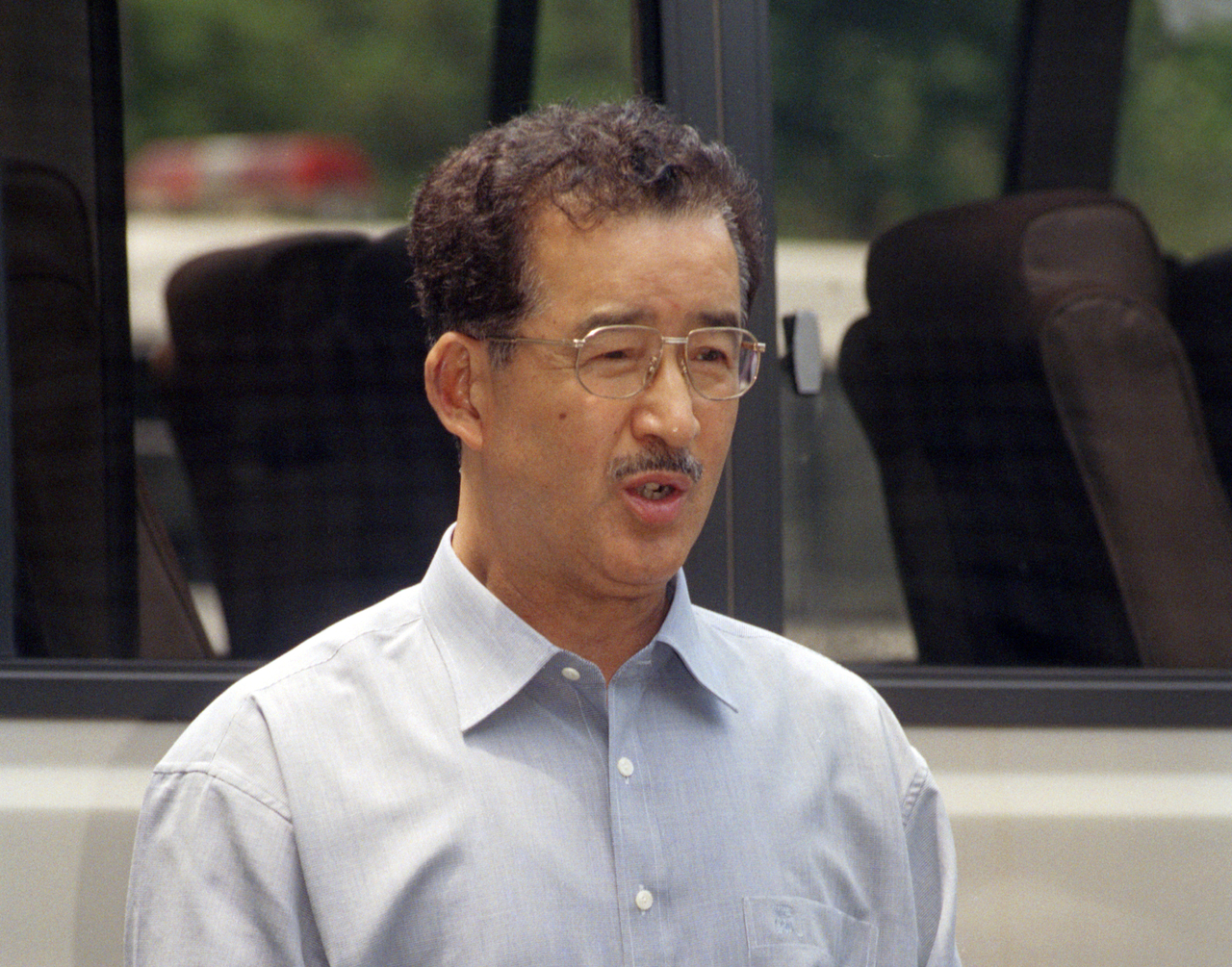
But his life took a fateful turn in 1974 when North Korea’s intelligence agency recruited him as an undercover operative. His command of multiple languages and Middle Eastern appearance made him the perfect candidate for deep-cover operations. Assuming the identity of Muhammad Kansu, a supposed Arab academic, he spent years traveling across Lebanon, Tunisia, Malaysia and the Philippines, building his false identity.
In 1984, he entered South Korea as a visiting Filipino professor of Lebanese descent and secured a position at Dankook University as a history professor. For over a decade, he lived undetected, gaining national recognition through media appearances and even contributing to South Korean textbooks.
But in 1996, his covert activities unraveled when he was caught attempting to fax intelligence reports to North Korea from a hotel in Seoul. His arrest exposed his true identity and sent shockwaves through South Korean society.
Reflecting on his journey in a December 2013 interview with The Korea Herald, Jeong recalled, “It took me 10 years to come to Seoul from Pyongyang,” referring to his recruitment in 1974 and eventual arrival in 1984. “And Pyongyang and Seoul are only about 250 kilometers apart.”
Prison, pardon and a second chance
Jeong was convicted of espionage under South Korea’s National Security Act and sentenced to 12 years in prison — avoiding the death penalty originally sought by prosecutors. During his incarceration, he renounced his ties to North Korea and redirected his energy toward historical research. Even behind bars, he began writing what would later become “The Silk Road Encyclopedia,” laying the foundation for his second life as a historian.
"I think I spent 16 hours writing every day in the jail cell," he said during the 2013 interview. "And I would sleep for about eight hours each day. I wanted to use the time I had as an opportunity to write the book.
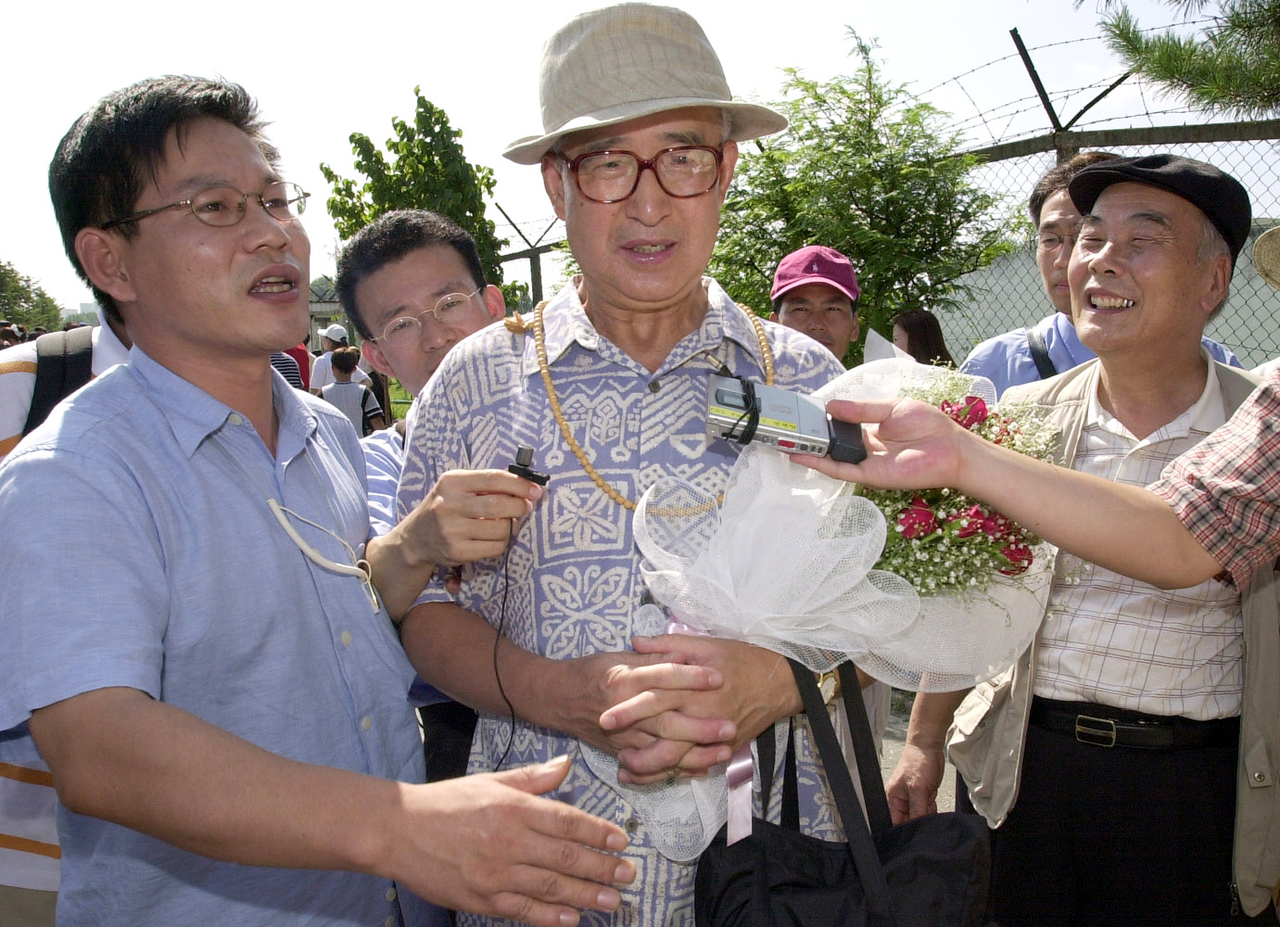
After serving four years, he was released in 2000 under a special pardon. In 2003, he was granted South Korean citizenship, fully breaking from his past. Rather than retreating into obscurity, Jeong threw himself into scholarship, becoming a leading authority on the Silk Road and cultural exchanges between East and West.
Over the next two decades, Jeong published more than 20 books and became one of the most influential figures in Silk Road studies. Fluent in a dozen languages, he was known for his meticulous research and ambitious theories, including his argument that the Silk Road’s easternmost extension reached as far as Gyeongju, the ancient capital of Korea’s Silla Kingdom that spanned nearly a millennium from the 1st to 10th century.
Even in his final years, Jeong remained active in academic discussions. In November 2024, just months before his passing, he delivered a keynote speech at an international conference — his last public appearance as a scholar.
Despite his controversial past, Jeong earned respect in academic circles, with his works translated into multiple languages. His 2022 memoir, which roughly translates into “A Man of the Times: Following the Call of Fate,” reflected on his turbulent life, rejecting simplistic labels like "spy" or "traitor." Instead, he described himself as a man shaped by history, driven by the circumstances of his time.
Reflecting on his sense of national belonging in the 2013 Korea Herald interview, he said, "I am a nationalist, and I have no problem saying that to people. I would’ve been successful in China if I stayed as a Chinese national, but I have always considered myself a Korean. As a young intellectual, I wanted to contribute to my people. I have no regrets."
mjh@heraldcorp.com