Ousted President Yoon Suk Yeol had moved presidential office out of Cheong Wa Dae. Now S. Korea considers reversing the move
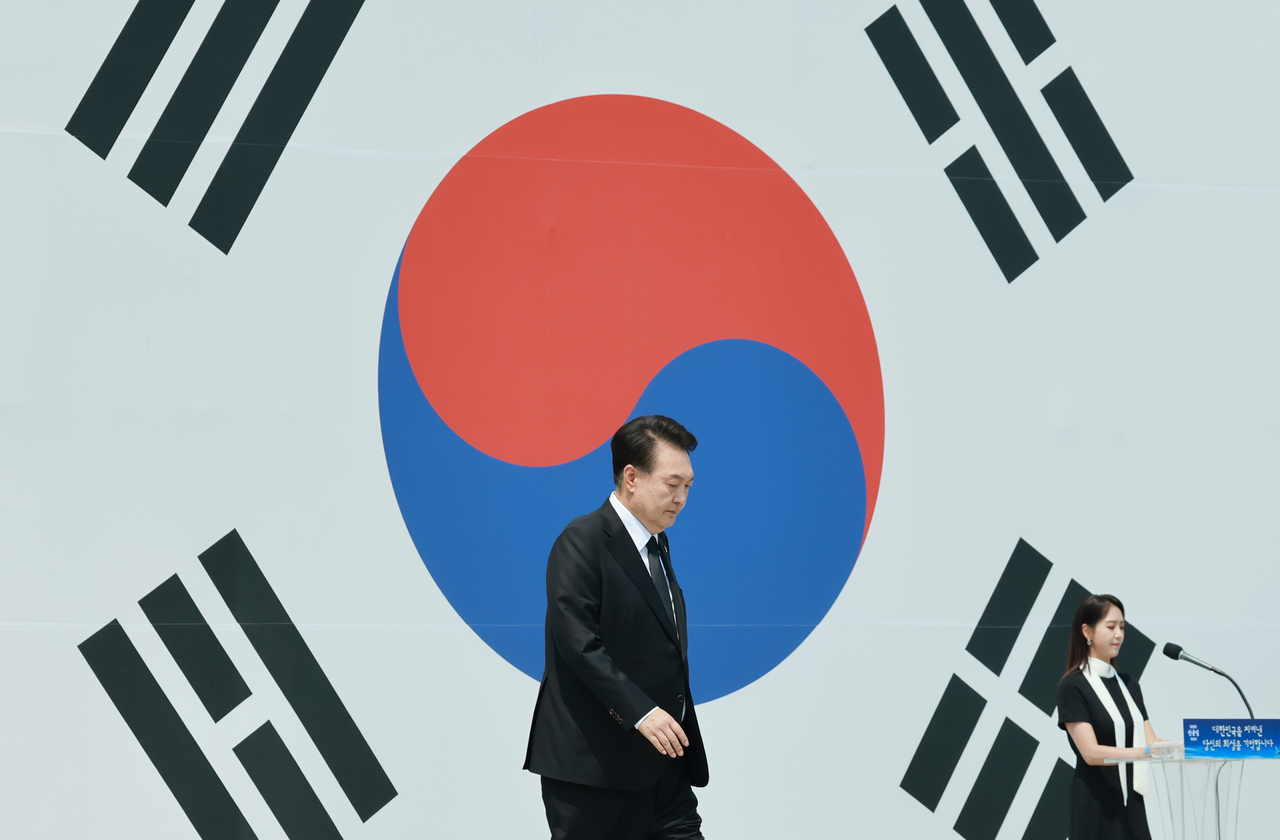
Following the removal of President Yoon Suk Yeol from office, many are wondering if the next administration might relocate the presidential office, currently located in Yongsan-gu, Seoul, back to the previous location of Cheong Wa Dae, also known as the Blue House, or to a new site.
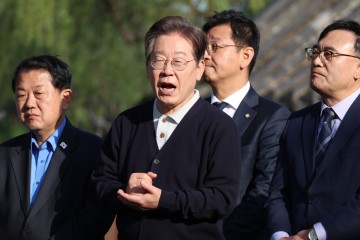
"Regardless of which party takes power, I think the majority of the public is unlikely to agree with the presidential office remaining in Yongsan in the long term," said Rep. Kim Min-seok, a senior leader of the liberal Democratic Party of Korea, appearing on a radio program Tuesday.
He added that the ousted Yoon had not allowed sufficient public discussion when he moved the top office out of Cheong Wa Dae to Yongsan.
Yongsan lacks support
The idea of relocating the presidential office from its current location is widely supported by liberal politicians, many of whom were highly critical of Yoon's original decision to move it there.
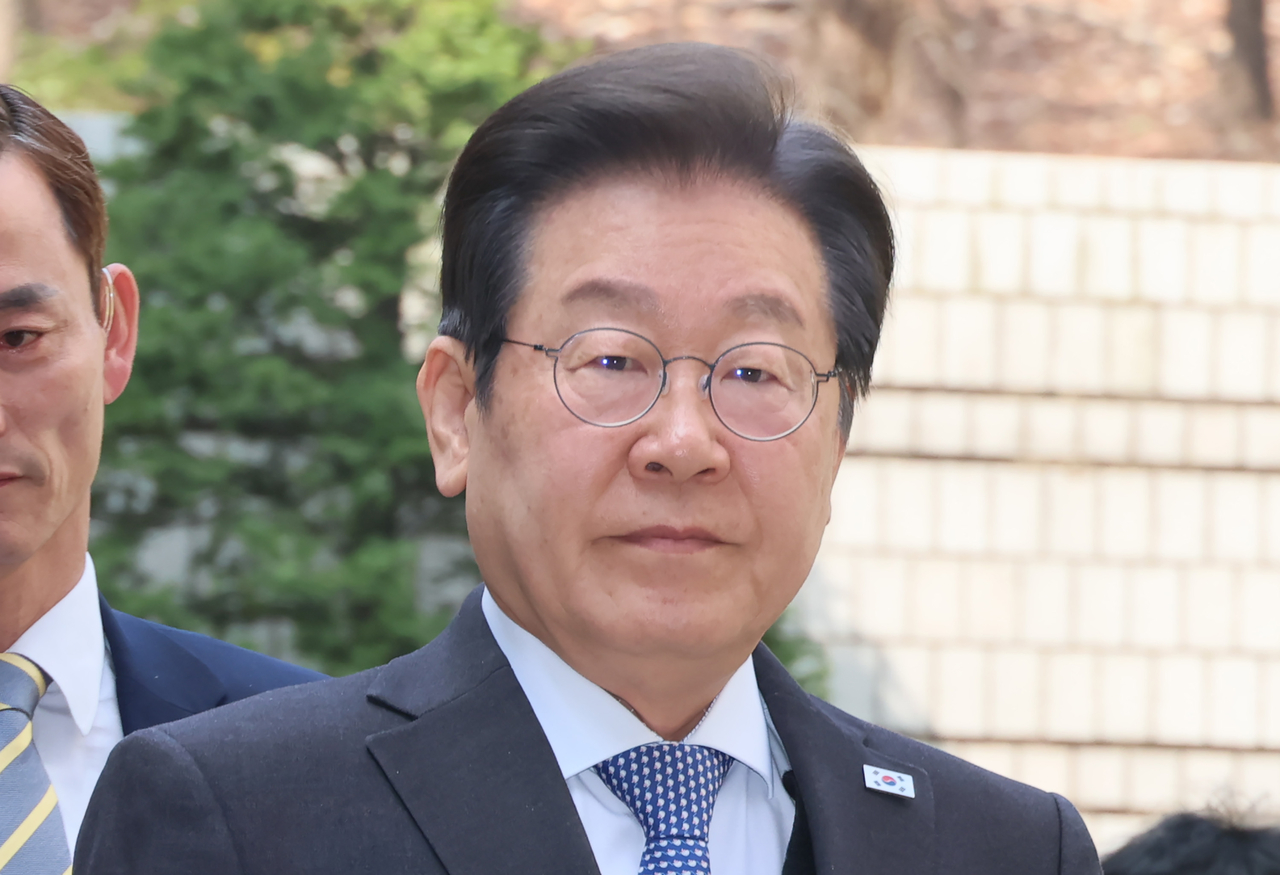
In March, Lee Jae-myung, the Democratic Party leader and apparent frontrunner in the presidential race, suggested the party leadership review a plan to move the top office to Sejong, a city some 110 kilometers south of Seoul. The city is already home to Korea's largest government complex, hosting major government branches and agencies, including the Ministry of Strategy and Finance.
The move was one of Lee's presidential pledges in the 2022 election, which he lost to Yoon by a fraction of a percent, along with Constitutional reform that would make Sejong the new national capital.
Following that suggestion, Democratic Party lawmakers based in South and North Chungcheong provinces, which encompass Sejong, are preparing to propose a law on moving the capital to Sejong.
Some party officials, however, say a Constitutional amendment may be required for such a move.
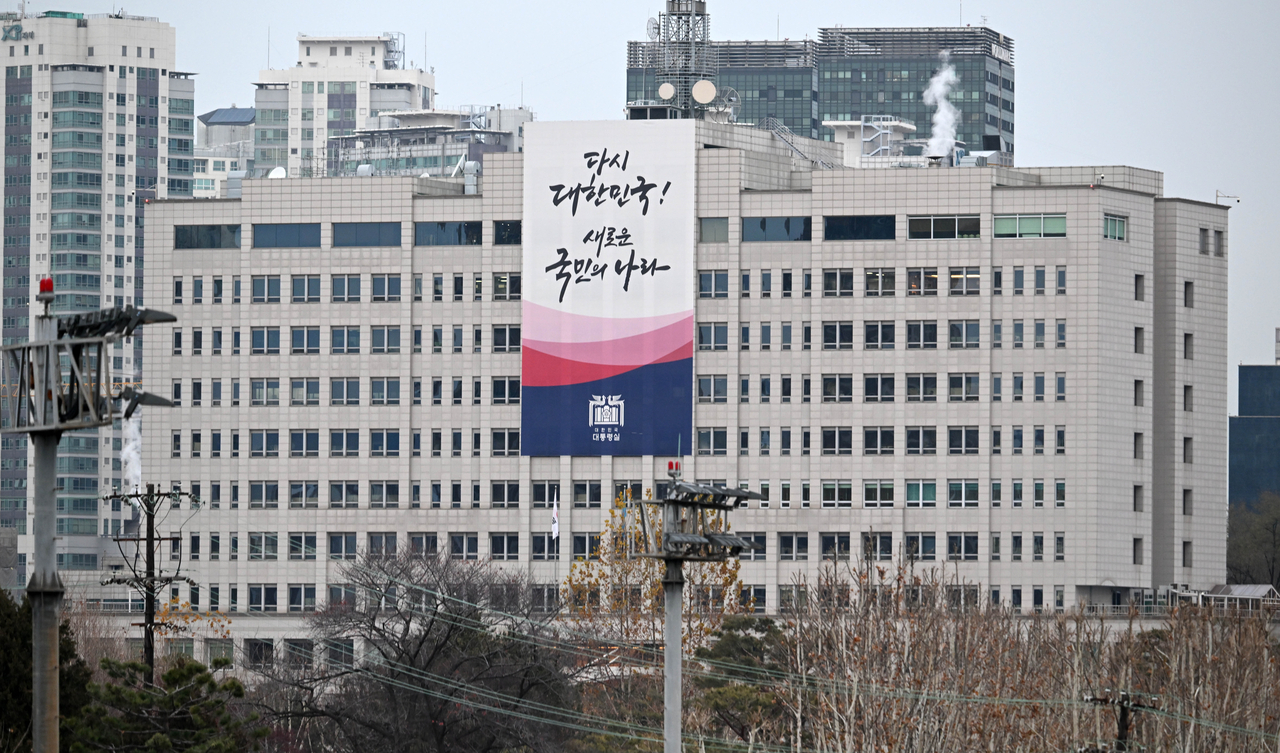
Moving the capital out of Seoul was also a key project of the liberal ex-President Roh Moo-hyun. It was thwarted after a 2004 ruling by the Constitutional Court that said Seoul was the country's capital by what it called "the Constitution by practice."
Many politicians in the liberal bloc have voiced opposition to the presidential office being in Yongsan-gu. Gyeonggi Province Governor Kim Dong-yeon said in February via his YouTube channel that the office must be moved "from the den of insurrection built on illegality."
Insurrection and abuse of power were the key charges against Yoon in the impeachment ruling confirmed last Friday, related to his Dec. 3 declaration of martial law.
Yoon, who was elected president on March 10, 2022, announced the relocation of the presidential office to Yongsan-gu, central Seoul, on March 20 of that year and began his term in the Yongsan office on May 10.
The controversial move required significant government spending, including the relocation of the Defense Ministry, which had previously occupied the Yongsan site. The Yoon administration allocated 87.8 billion won ($59.7 million) for the construction of a new Yeongbingwan, the reception hall for official events. This alone was more than the 49.6 billion won Yoon had claimed would be spent for the entire relocation, and the plan to build the new reception hall was ultimately scrapped.
Back to Cheong Wa Dae?
After ceasing to serve as the presidential compound, Cheong Wa Dae has opened its doors to the public, hosting cultural programs such as concerts and fashion shows.
Now, there is growing discussion about whether the next president should return to the Blue House.
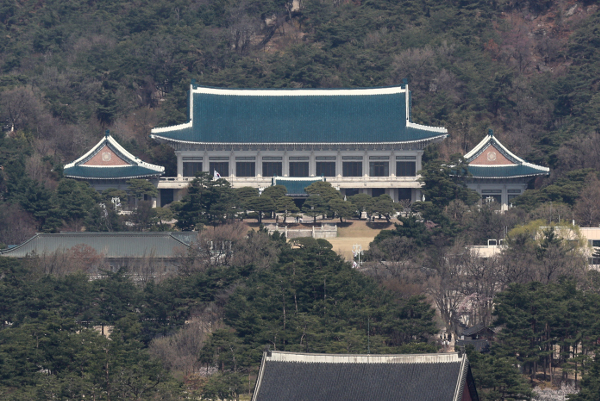
Daegu Mayor Hong Joon-pyo, a possible presidential candidate for the conservative bloc, is among those favoring the move back to Cheong Wa Dae. In a magazine interview in January, he criticized the move to the Yongsan office as a "critical error," and predicted a relocation to Cheong Wa Dae no matter who wins the next election.
But some say that a return to the old presidential office would present security challenges, since Cheong Wa Dae has been accessible to the general public for almost three years. A wiretapping allegation involving the US government in 2023 suggests that newly-installed security measures could be vulnerable.
Regardless of any relocation plans, it is likely that the next president will begin their term in Yongsan due to time constraints.
South Korea will elect its new president on June 3, with the law on snap presidential elections stating that the new leader's term begins immediately after the election results are confirmed.
"Whoever wins (the next presidential election), they would have no choice but to go to the presidential office in Yongsan," Democratic Party spokesperson Jo Seung said last Friday.
minsikyoon@heraldcorp.com