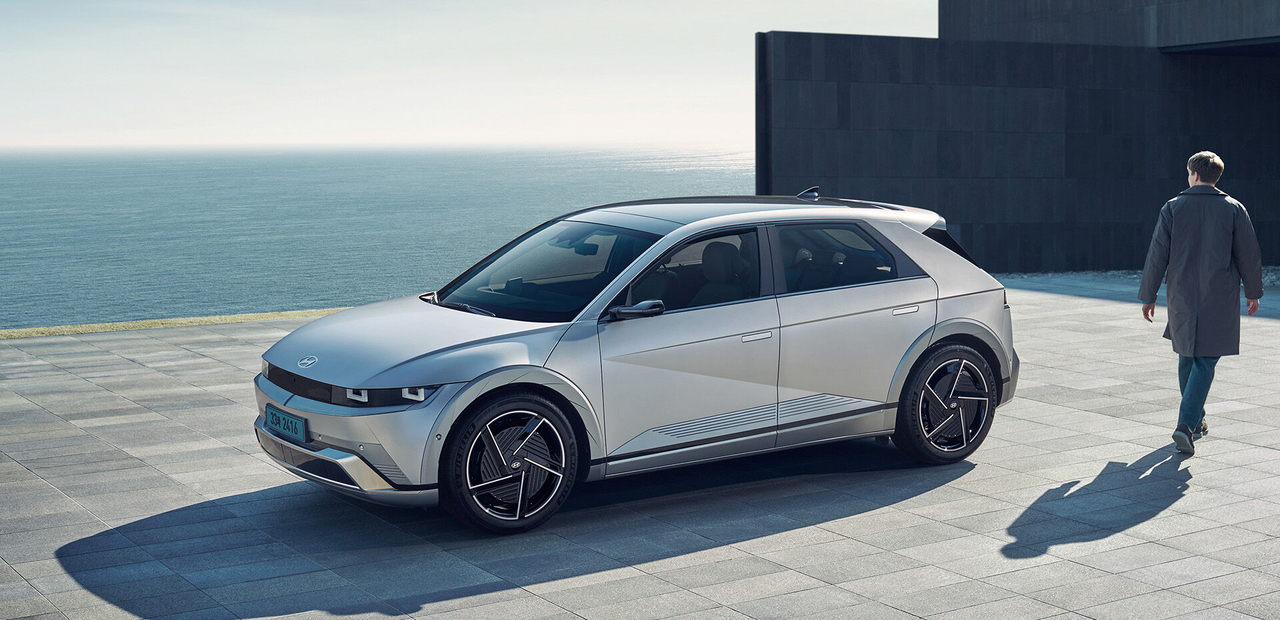
Hyundai Motor Co.’s Ioniq 5, its flagship electric, midsized SUV, became eligible to receive the US government-sponsored $7,500 consumer subsidy following the relocation of its vehicle and battery production to the US.
According to a Hyundai Motor Group official on Friday, the US Department of Energy granted the subsidy for the Ioniq 5 for the second half of this year. The three-month delay in approval was reportedly due to the vehicle’s failure to fully meet requirements outlined in the Inflation Reduction Act, which offers tax credits for electric vehicles.
These requirements include production being done within the US, with at least 50 percent of the battery components manufactured or assembled in North America and sourcing or processing at least 40 percent of the battery’s critical minerals in the US or countries with a free trade agreement.
In January, the Ioniq 5, along with Hyundai Motor’s Ioniq 9 and the Genesis GV70, was excluded from the list of EVs eligible for US subsidies. The approval of subsidies for the Ioniq 9 and GV70 depends on whether they fulfill the requirements, like the Ioniq 5.
Industry insiders say the Ioniq 5’s revamped production in Georgia and the local sourcing of its battery cells were instrumental in securing the IRA subsidy.
Last year, most of the Ioniq 5 was manufactured in the company’s Ulsan plant in South Korea and shipped to the US. Since producing the vehicle in Georgia in December 2024, output increased from 1,623 of the SUVs in January to 5,335 in March, enough to cater to monthly demand of approximately 3,000-4,000 vehicles.
SK On, the battery supplier for the Ioniq 5 and other Hyundai Motor EVs, also reportedly transformed part of the production line in its battery cell manufacturing plant in Georgia last year, solely dedicated to the carmaker. Before this, SK On supplied batteries for the Ioniq 5 from its plant in Hungary, a country without a free trade agreement with the US. From early 2026, the company is set to operate a plant in a joint venture with Hyundai Motor, set to have an annual capacity of 35 gigawatt-hours, sufficient to power up to 300,000 Hyundai Motor and Kia vehicles.
“SK On’s battery production in the US likely played a significant role in the subsidy approval for the Ioniq 5,” said an industry source familiar with the matter on condition of anonymity. “I’ve heard that the company is getting multiple inquiries from car manufacturers looking to capitalize on its local production capabilities to comply with the IRA regulations.”
Sources indicate that the Ioniq 9 and Genesis GV70 are expected to be added to the IRA subsidy list due to their manufacturing shift to the US. The Ioniq 9, Hyundai Motor's large electric SUV, began production in Georgia in April, while the high-end GV70, primarily shipped from the Ulsan plant, is anticipated to expand US production.
In March, Hyundai Motor Group committed to reaching an annual capacity of up to 1.2 million vehicles at its manufacturing facilities within the US.
hyejin2@heraldcorp.com