Han’s candidacy adds complexity to conservative strategy, sparking debate over potential merger to challenge Lee Jae-myung
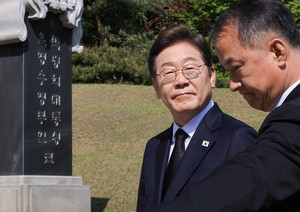
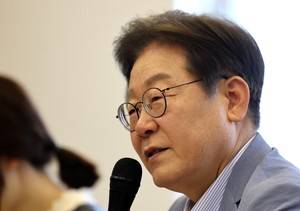
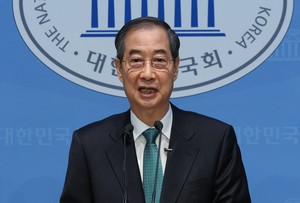
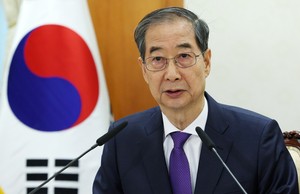
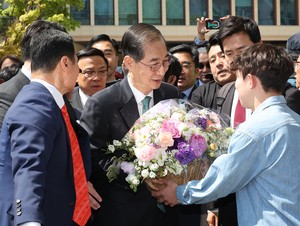
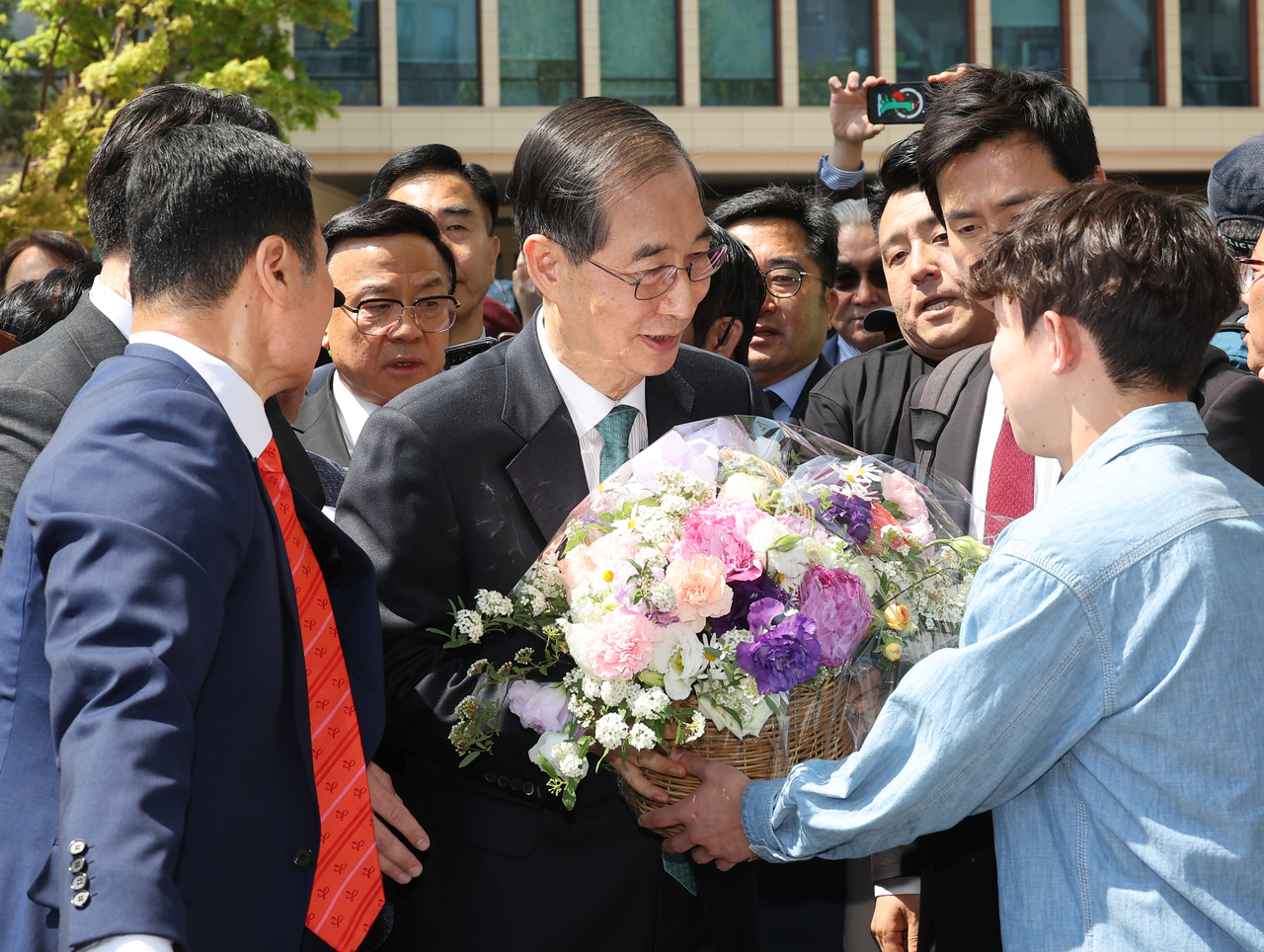
The entry of former Prime Minister Han Duck-soo in South Korea’s June 3 presidential race is emerging as a pivotal development for the conservative bloc, potentially redrawing the People Power Party’s strategy in its bid to defeat liberal front-runner Lee Jae-myung.
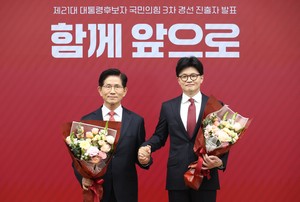
Han, who declared his candidacy Friday, is widely viewed as a credible conservative figure and a potential unifying alternative. But his late entrance has complicated the ongoing primary for the biggest conservative party, which has narrowed the race to its final two candidates: former Labor Minister Kim Moon-soo and former party leader Han Dong-hoon.
Neither of the leading conservative contenders has expressed clear support for aligning with Han.
Kim offered vague openness to cooperation, saying in a televised debate Wednesday, “If I win the nomination, I’ll seek a reasonable path toward integration.”
Han Dong-hoon, in contrast, dismissed both Kim and Han as too weak to take on the Democratic Party of Korea’s Lee Jae-myung. “They’re not the ones to win this life-or-death mud fight,” he said while campaigning Thursday in Changwon, South Gyeongsang Province.
Han Dong-hoon also pointed to the Supreme Court’s ruling a day earlier that overturned Lee’s acquittal in an election law case, claiming it boosts his chances. “That verdict significantly improves the probability I can beat Lee,” he said.
People Power Party interim leader Rep. Kwon Young-se welcomed Han Duck-soo’s entrance, calling it “a declaration of strong resolve and serious ideas.” Still, he added that he had no immediate plans to meet with Han.
The People Power Party will announce its final nominee Saturday following a two-day vote combining party member ballots and public polling.
Han Duck-soo, meanwhile, has not said whether he will run as an independent or eventually align with the main conservative party. He has pledged to pursue constitutional reform and resign in his third year if he succeeds. “I will work with anyone who shares that goal,” he said.
Elsewhere in the larger conservative bloc, minor New Reform Party candidate Lee Jun-seok rejected the idea of joining any alliance. “We can have a conversation, but I have no intention of unifying or merging,” he said Thursday on YTN. He also questioned Han’s short-term presidency plan: “I understand the intent, but I’m not sure that this is what the public is looking for.”
Strategically, bringing Han Duck-soo into the conservative fold could be critical. A National Barometer Survey conducted in the past week showed Lee Jae-myung leading with 42 percent support, followed by Han Duck-soo at 13 percent, Han Dong-hoon at 9 percent, Kim Moon-soo at 6 percent and Lee Jun-seok at 2 percent.
While Lee led the candidate preference poll by a wide margin, party support figures were tighter, favoring the Democratic Party at 39 percent, the People Power Party at 34 percent, the minor liberal Rebuilding Korea at 6 percent and the New Reform Party at 3 percent. Seventeen percent of voters remain undecided.
flylikekite@heraldcorp.com