
Temperatures fluctuated drastically within short periods during April in South Korea, with unusually cold and hot temperatures being observed in the middle of the month, according to a monthly meteorological report issued by the Korea Meteorological Administration, Friday.
According to the KMA, the average nationwide temperature for April reached up to 13.1 degrees Celsius in Korea, an increase of 1 C compared to the average previous temperatures. However, as cold and warm spells occurred one after another in mid-April, temperatures sharply fluctuated over a 10-day period.
While nationwide average temperatures were recorded as 5.6 C on April 14, temperatures sharply rose up to 19.2 C on April 18, demonstrating a difference in temperatures by 13.6 C over a four-day period.
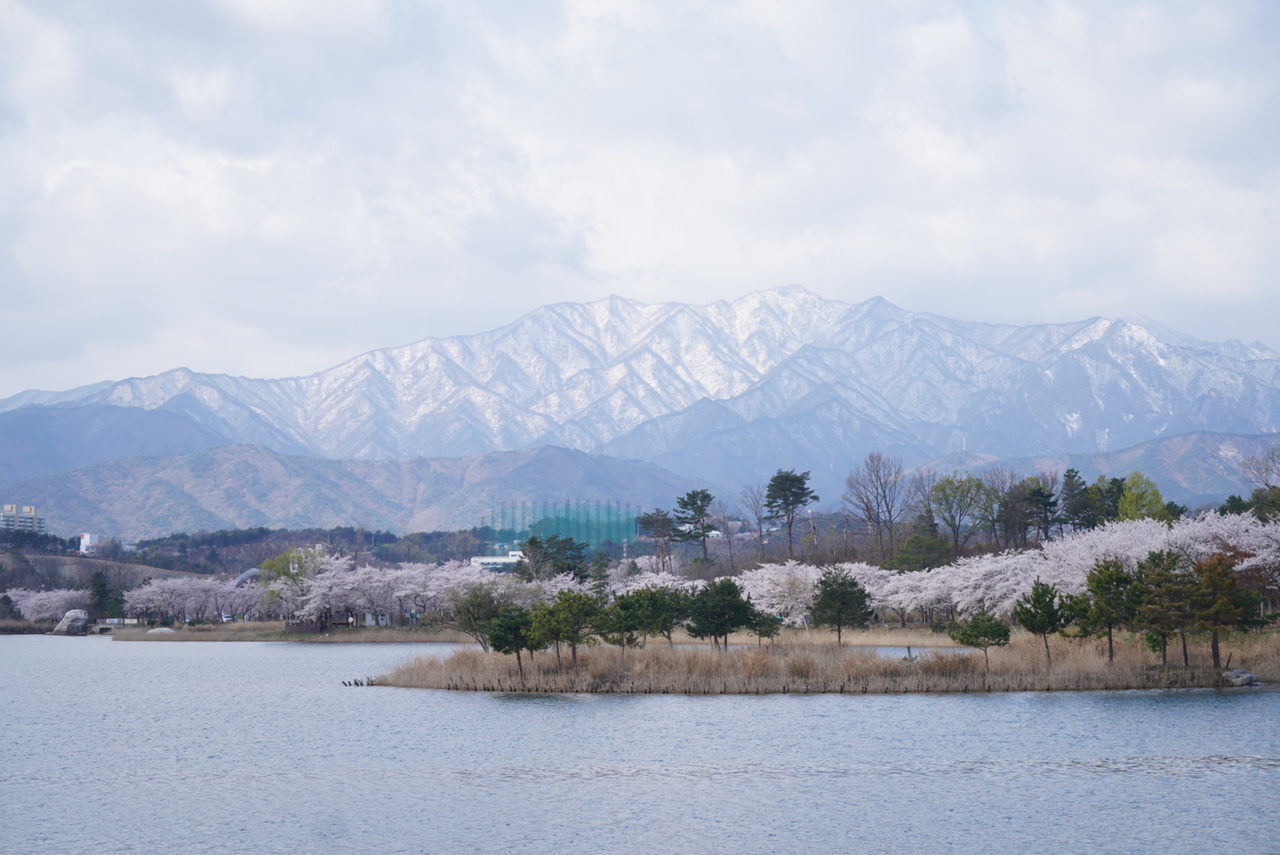
From April 13 to 15, a late cold snap occurred as a cutoff low-pressure system -- carrying extremely cold air below 30 C from the Arctic -- situated itself in the upper atmospheric layer. On April 13 and 14, the average daily temperatures were marked as the lowest ever for mid-April temperatures in six locations, including in Suwon, Gyeonggi Province and Chuncheon, Gangwon Province.
Due to the influence of the cutoff low-pressure system, unusual weather patterns such as snow and hail were witnessed across the country, with Seoul seeing 0.6 centimeters of snow on April 13 -- the latest date in the year that snow was recorded in the capital city since 1907.

Korea then saw extremely hot temperatures between April 17 to 19 as warm, humid air flowed into the Korean Peninsula along the edges of the high-pressure system situated in the southeast. Twelve meteorological observation stations across the country recorded the highest-ever mid-April low temperatures, with eastern parts of Gangwon Province and North Gyeongsang Province seeing highs of around 30 C on April 18.
From April 20 to 22, hot temperatures persisted in the Greater Seoul region, western parts of Gangwon Province, the North and South Chungcheong provinces and the North and South Jeolla provinces as the high-pressure system situated in the east of Korea blew warm easterly winds into the country.
As abnormal weather conditions continue to be observed in April going into May, KMA Administrator Chang Dong-eon stated that the state weather agency will work to strengthen its “monitoring system of abnormal climate patterns to swiftly deliver weather information to help prevent weather-related disasters.”
lee.jungjoo@heraldcorp.com